
Roofing
Flat Roof Repair in The Woodlands, TX
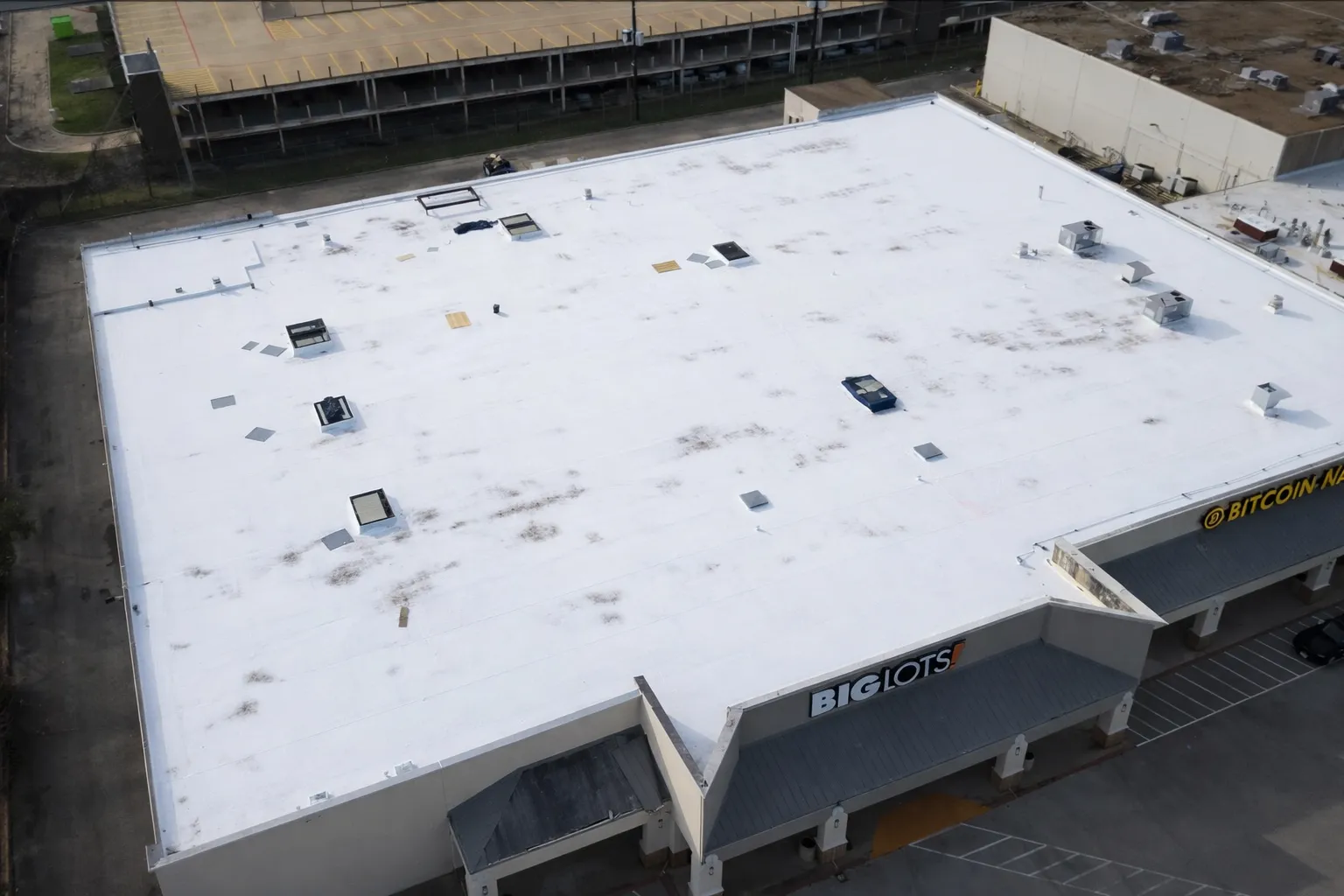
ROYH Build Co provides flat roof repair for commercial buildings across The Woodlands and Greater Houston, targeting the real source of a leak instead of just patching the stain on the ceiling below.
What's Included
Flat Roof Repair in The Woodlands, TX
Leak Diagnosis on Low-Slope Roofs
Water travels along the deck before it ever drips through a ceiling tile, so we trace it back to the real entry point instead of patching where the stain shows up.
Repair Matched to Membrane Type
TPO and PVC seams get heat-welded, modified bitumen gets patched with a compatible cap sheet. We match the repair method to the system already on your roof.
Ponding Water Correction
Standing water breaks down membranes faster than almost anything else. We address the drainage problem causing it, not just the puddle itself.
Flashing and Penetration Repair
HVAC curbs, pipe boots, and parapet walls are where most flat roof leaks actually start. We reseal and rebuild flashing detail so it holds.
Honest Repair vs. Replacement Assessment
We walk the roof and tell you straight whether a repair will hold for years or whether you are better off putting that money toward a new system.
Finding Where a Flat Roof Is Actually Leaking
Flat and low-slope roofs hide their leaks well. Water under a TPO or modified bitumen membrane does not fall straight down. It runs along the deck. It follows a seam or a structural beam. Then it shows up inside the building, often yards from where it actually got in.
That is the biggest mistake building owners make when they chase a leak on their own. They patch directly above the ceiling stain. The leak comes right back a few weeks later.
We start every commercial roof repair call with a full walk of the roof. We check every seam, penetration, and drain before we touch anything. HVAC curbs, pipe boots, roof hatches, and parapet wall flashing cause most flat roof leaks, far more often than a puncture out in the open field of the membrane. When the source is not obvious, we read the ponding patterns and inspect the deck and insulation closely. That traces the water back to where it really got in, not just the nearest visible gap.
Repair Methods Matched to Your Membrane Type
A repair that works on one commercial roof system will not work on another. TPO and PVC membranes are single-ply and heat-welded. A proper repair means heat-welding a compatible patch over the damage, not gluing something over it. We use Duro-Last and Versico material lines so the patch matches what is already on your roof, chemically and physically.
Modified bitumen is a different animal. It is a layered asphalt system. Repairing it usually means cutting out the damaged section and installing a new cap sheet that ties into the existing layers correctly. Get that wrong and the patch peels back within a season.
Some roofs need a lift, not a patch. If large areas are worn rather than damaged, a roof coating can extend the roof's life and cut rooftop heat gain at the same time. We will tell you honestly when that makes more sense than a targeted flat roof repair.
Correcting Ponding Water Before It Becomes the Next Leak
Ponding water ages a flat roof fast. Water sitting on a membrane for more than a day or two starts breaking the surface down. It feeds algae growth. It adds real weight to a deck that was never built to hold standing water indefinitely. Patch a leak in a low spot without fixing the drainage, and you have bought a few months, not a fix.
We deal with ponding at the source. Sometimes that means adding tapered insulation to route water toward existing drains. Sometimes it means cutting in additional drains or scuppers where the roof simply does not have enough of them. Sometimes it means rebuilding a section of deck slope where settling created a new low point. It is more work than a surface patch. But it is the difference between a repair that holds and one you will be paying for again next summer.
When Repair Buys You Years, and When Replacement Wins
Not every flat roof problem needs a full tear-off, and we are not going to tell you it does. If the membrane is otherwise sound, the deck underneath is dry, and the damage sits in one seam, one penetration, or one section of flashing, flat roof repair can add years of service life. That is often a fraction of what a full flat roof replacement costs to schedule and disrupt your building for.
Repair stops making sense at a certain point. Once a roof needs patch after patch in different spots. Once wet insulation shows up under multiple areas of the membrane. Once new material simply will not bond reliably to the old system anymore. At that stage, we say so directly instead of running up a repair bill on a roof that needs to come off. See our full commercial roofing services for everything else we handle on flat and low-slope buildings across The Woodlands and Greater Houston.
Get Your Free Flat Roof Repair Estimate
Serving The Woodlands, Magnolia, and the greater Houston area, ROYH Build Co will assess your flat roof repair needs and give you a straightforward recommendation.
Frequently Asked Questions
How do you find the source of a leak on a flat roof?
We walk the entire roof surface and check every seam, penetration, drain, and flashing detail rather than assuming the leak is directly above the interior stain. Water travels along the deck under a membrane before it drips through, so the actual entry point is often several feet from where the damage shows up inside. We use ponding patterns and a close inspection of the membrane and flashing to trace it back to the real source before recommending a repair.
Can ponding water on a flat roof be fixed without replacing the whole roof?
In many cases, yes. Ponding is usually caused by a drainage problem rather than the membrane itself, and it can often be corrected with tapered insulation, added drains or scuppers, or a deck slope adjustment in the affected area. If the membrane elsewhere on the roof is still in good shape, fixing the drainage issue can resolve the ponding without a full replacement.
What is the difference between repairing a TPO roof and a modified bitumen roof?
TPO is a single-ply membrane repaired by heat-welding a compatible patch over the damaged area, so the material has to match the existing membrane chemically. Modified bitumen is a multi-layer asphalt system, so a proper repair usually means cutting out the damaged section and installing a new cap sheet that ties into the surrounding layers. Using the wrong repair method on either system is one of the most common reasons a patch fails early.
How do I know if my flat roof needs repair or full replacement?
It comes down to how isolated the damage is and what is happening underneath the membrane. A roof with one damaged seam or flashing detail, dry insulation, and an otherwise sound membrane is usually a good repair candidate. A roof that needs repeated patches, has wet insulation in multiple areas, or has a membrane too far gone to bond new material to reliably is a better candidate for replacement. We walk the roof and give you a straight answer either way.