How Long Does a Roof Last in Texas Heat?
By Seth WeHunt · · 7 min read
How long does a roof last in Texas heat? Less time than the number printed on the shingle wrapper. That's the short answer. National lifespan estimates are built for mild climates with gentle summers. Texas doesn't get that. Intense UV exposure, long runs of triple digit afternoons, and big daily temperature swings all push materials to age faster here. Knowing why, and knowing what that means for each material, helps you plan a replacement on your own timeline instead of reacting to a leak.
Why Texas Heat Ages a Roof Faster Than the National Average
Three forces do most of the damage. They rarely act alone.
Ultraviolet radiation breaks down the oils and binders that keep shingles flexible. Once those binders dry out, the shingle turns brittle. Granules shed more easily. The mat underneath loses some of its ability to shed water. This happens to roofs everywhere. It just happens faster under the sun exposure a Texas roof gets across a full year.
Thermal cycling is the second factor, and it's easy to overlook. A roof surface can swing more than fifty degrees between a hot afternoon and the cool hours before dawn. Materials expand in the heat and contract as they cool. That happens every single day. Over time, that constant movement fatigues seams, loosens fasteners, and stresses the bond between layers. A roof in a climate with smaller daily swings simply doesn't take that same beating.
Humidity adds a third layer. Texas heat rarely arrives dry. Mix that moisture with high surface temperatures and you get faster breakdown of organic materials, more mold and algae on shaded slopes, and underlayment that wears out sooner than it would in a hot, dry climate.
None of this means a Texas roof is doomed to fail early. It means the lifespan ranges printed by manufacturers are a starting point, not a promise. The material you choose matters more here than it would somewhere with milder weather.
Asphalt Shingle Roofs in Hot Climates
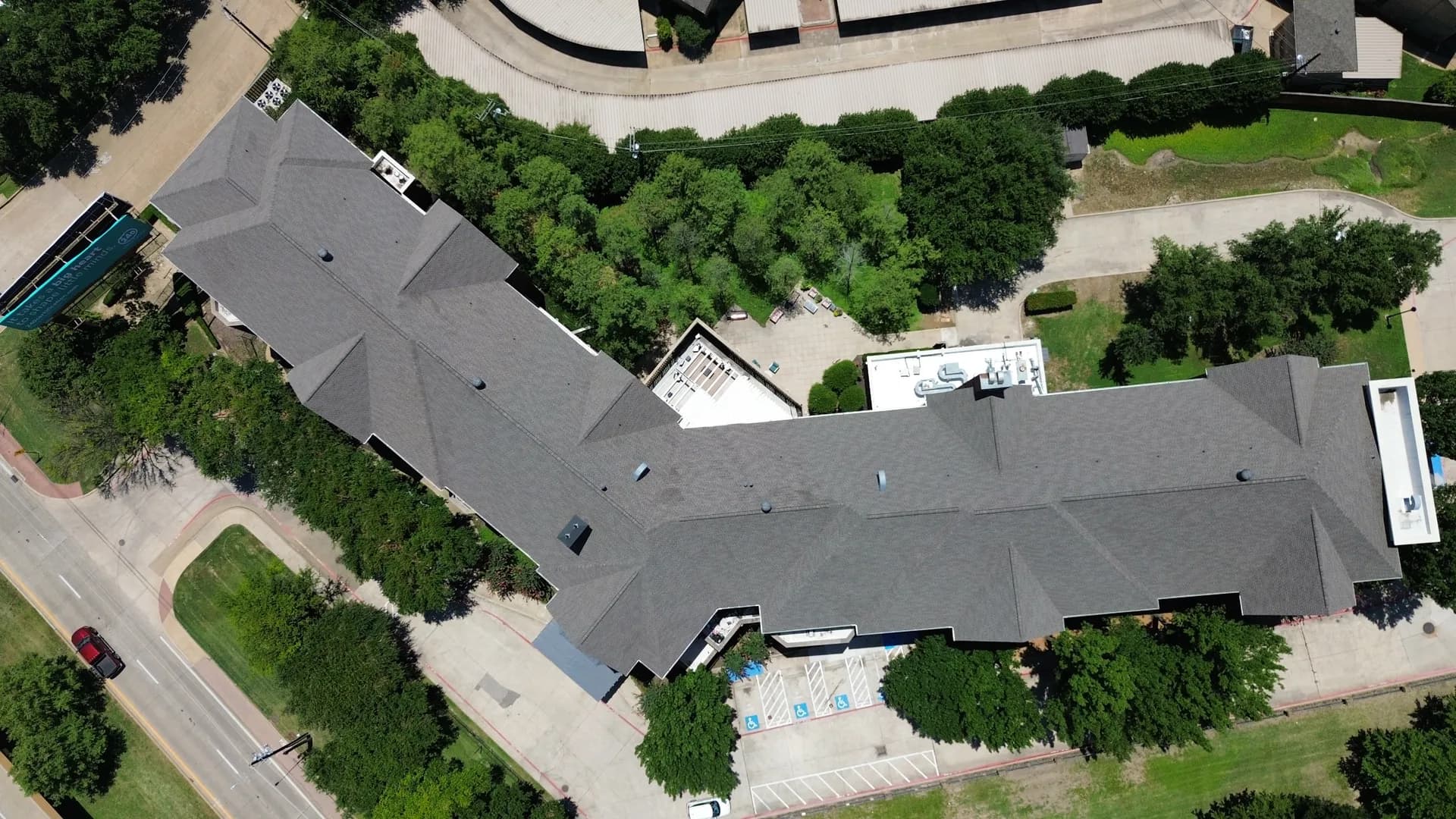
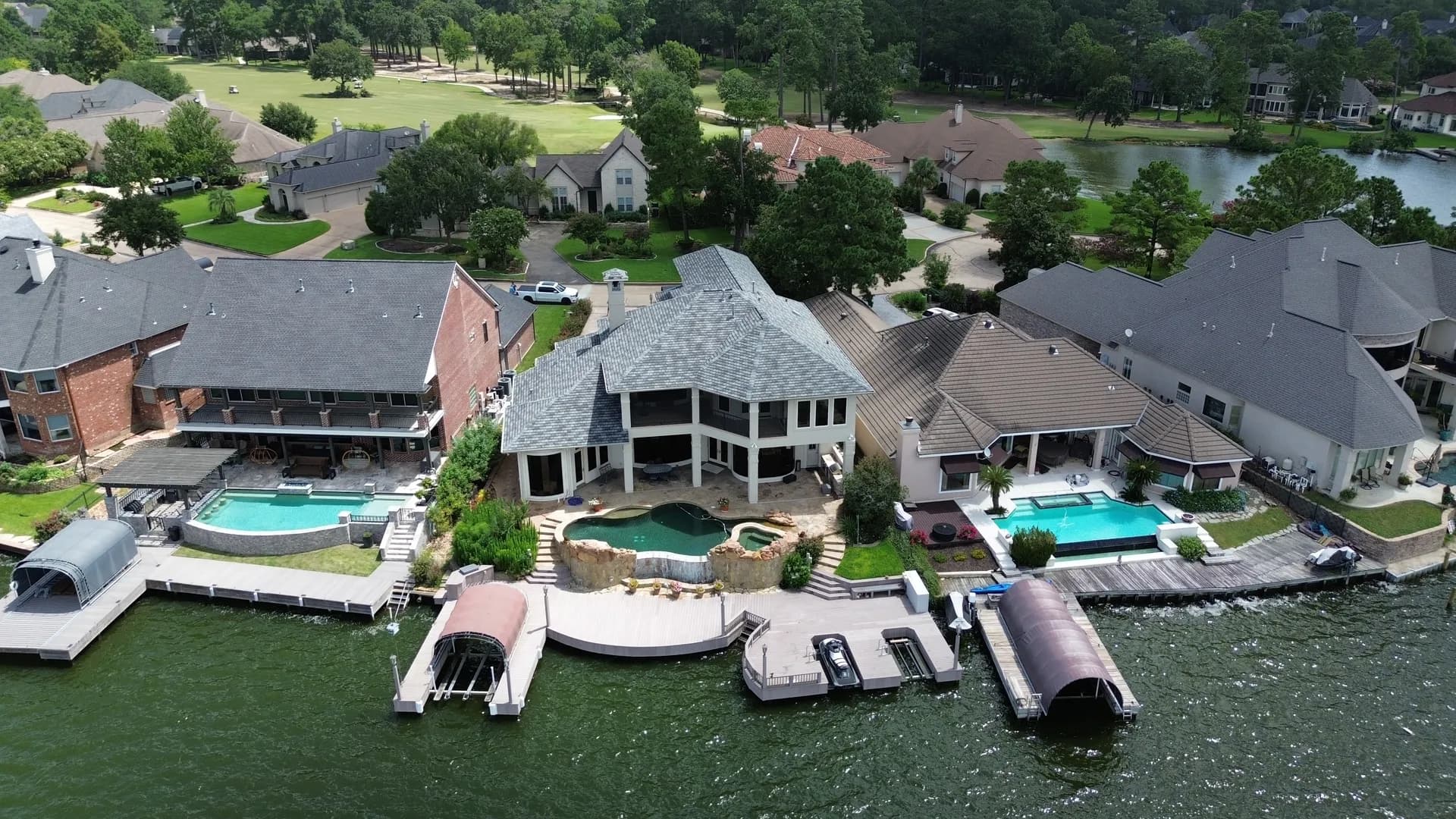
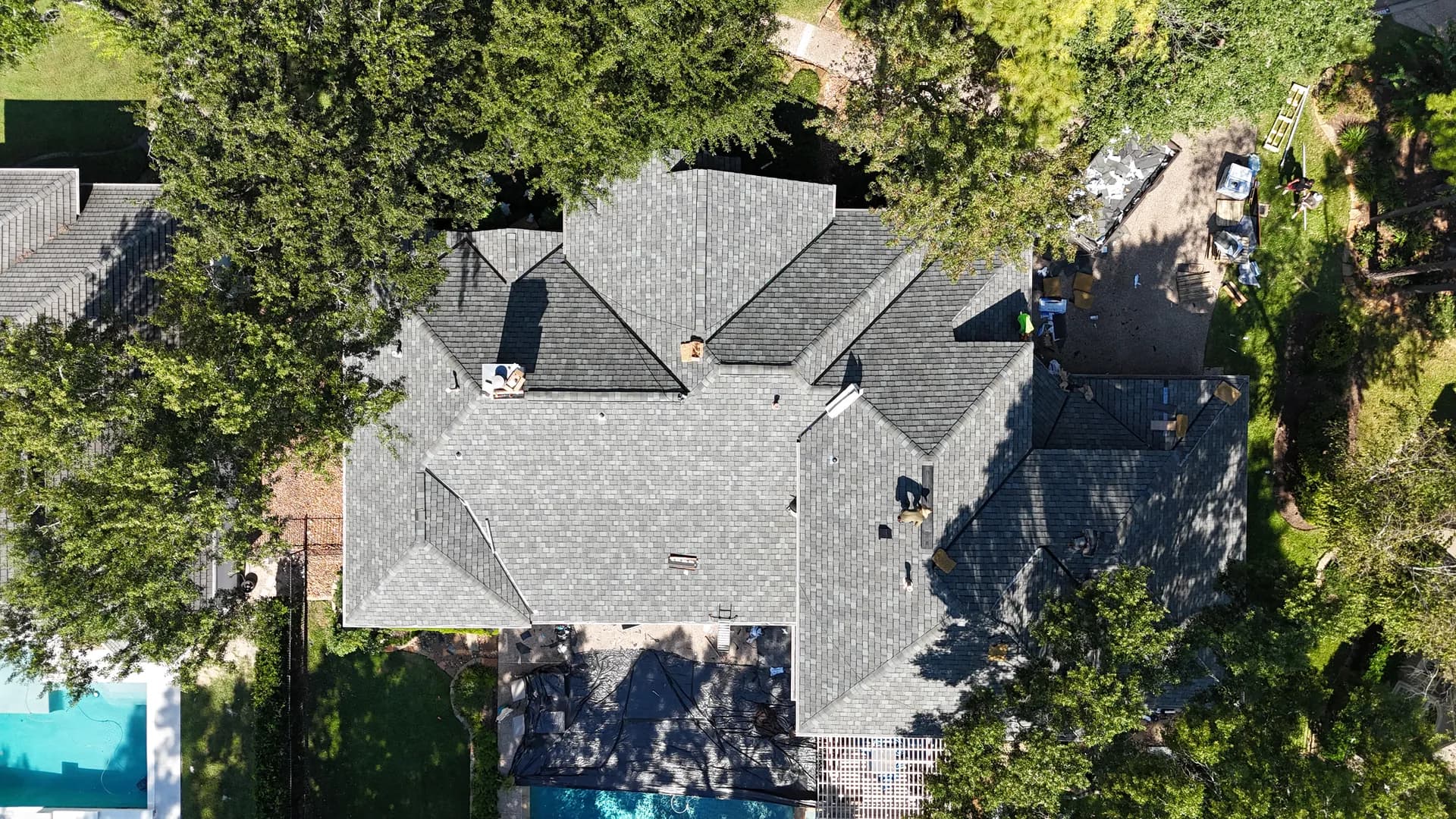
Asphalt shingles are the most common roofing material in Texas, and for good reason. They're affordable to produce, widely available, and straightforward to install correctly. In a mild climate, a quality architectural shingle is often rated for twenty to thirty years. Under sustained heat, the widely accepted industry rule of thumb drops closer to fifteen to twenty five years. The real number depends on shingle color, attic ventilation, and how well the roof was installed in the first place.
Dark shingles absorb more solar heat than light ones, which pushes surface temperatures even higher on an already hot roof deck. Lighter or reflective shingle lines exist to cut that heat load. They're worth asking about if longevity matters more to you than a specific shade. If you're comparing options before a replacement, our roofing materials guide breaks down how asphalt stacks up against metal, tile, and synthetic alternatives for heat performance.
Metal Roofing and Heat
Metal handles heat differently than asphalt, and usually better. It doesn't rely on the asphalt binders that dry out under UV exposure. Most metal roofing systems also reflect a good share of solar radiation instead of absorbing it, especially with a cool roof coating. That reflectivity is part of why metal roofs commonly carry lifespan estimates of forty to seventy years, even in hot climates. That's well beyond what asphalt typically delivers.
Heat wears on a metal roof differently, though. Thermal expansion and contraction happen daily, just like with any material. Over years, that movement can work on fasteners, sealants around penetrations, and the panel seams themselves. Standing seam systems are built around this reality. Their concealed fastener design lets panels move without the exposed fasteners that other metal systems rely on. That's a big reason standing seam tends to outlast exposed-fastener metal roofing in a hot climate. You can see how the systems compare on our metal roofing page.
Tile and Synthetic Roofing in Extreme Heat
Concrete and clay tile are about as heat resistant as residential roofing gets. The tile itself often carries lifespan estimates of fifty years or more. It isn't unusual for a well maintained tile roof to outlast the house it protects. Heat usually isn't what ends a tile roof's service life, though. The underlayment beneath the tiles is. That layer takes the brunt of the sun and heat the tile lets through, and it typically needs replacement well before the tile shows any wear. A tile roof's practical lifespan often comes down to underlayment condition, not the tile.
Synthetic shingle and shake products have improved a lot on heat resistance. Many manufacturers now engineer their polymer blends specifically to resist UV breakdown and thermal cracking. Performance varies more by manufacturer here than it does with asphalt or metal. Check whether the product's warranty specifically covers heat and UV exposure rather than assuming it does. Our team can walk through how each option performs in sustained heat when you're weighing materials for a new roof or a full replacement.
The Ventilation Factor
Attic ventilation gets less attention than shingle brand or material choice. It probably shouldn't. A poorly ventilated attic traps radiant heat under the roof deck. That trapped heat works on the underside of the roofing material all day, every day, on top of the direct sun hitting the surface above. Over a season, that adds a lot of extra thermal stress that has nothing to do with the material and everything to do with airflow.
Balanced intake and exhaust ventilation, ridge vents paired with soffit vents, or a properly sized attic system pulls that trapped heat out before it bakes the roof deck. It also helps underlayment and decking last longer. That matters most for tile and metal roofs, where those hidden layers, not the visible material, often set the real lifespan. If your attic runs noticeably hotter than the rest of the house, or you've never had ventilation evaluated, our roof ventilation installation page covers what a properly balanced system looks like.
Maintenance Habits That Extend Roof Life
A roof in a hot climate rewards attention. Small problems compound faster under sustained heat and UV exposure than they would somewhere milder.
- Schedule a visual inspection twice a year, ideally before and after peak summer heat, to catch curling edges, cracked tiles, or exposed fasteners early.
- Keep gutters and downspouts clear so water isn't sitting against the roof edge during the next heavy rain.
- Trim back overhanging branches that trap moisture and debris on the roof, while still leaving some shade that won't damage shingles.
- Check attic ventilation once a year. A blocked soffit vent or a failed exhaust fan can quietly shorten a roof's life with no visible sign from the ground.
- Fix small issues right away, a lifted shingle tab, a cracked tile, a gap in flashing, instead of waiting for the next scheduled inspection.
None of these habits are complicated. Consistency is what makes them work. A roof that gets checked twice a year almost always outlasts an identical roof that only gets attention when something leaks.
Signs Your Roof Is Nearing the End of Its Life
Granule buildup in the gutters is one sign. Shingles curling or cupping at the edges is another. So is daylight visible through the attic decking, or a noticeable jump in summer cooling costs. All of these point to heat and age catching up with a roof. We cover the full list of warning signs in more detail in signs you need a new roof, worth a read if you're not sure whether what you're seeing is cosmetic wear or something more.
When to Start Planning a Replacement
The smartest time to think about replacement isn't when a leak shows up. It's when your roof is nearing the upper end of its material's typical hot climate lifespan, whatever that range looks like for asphalt, metal, tile, or synthetic. A professional inspection at that point gives you real information instead of a guess. It also gives you time to plan the project on your own schedule, rather than scrambling after storm damage or a sudden leak.
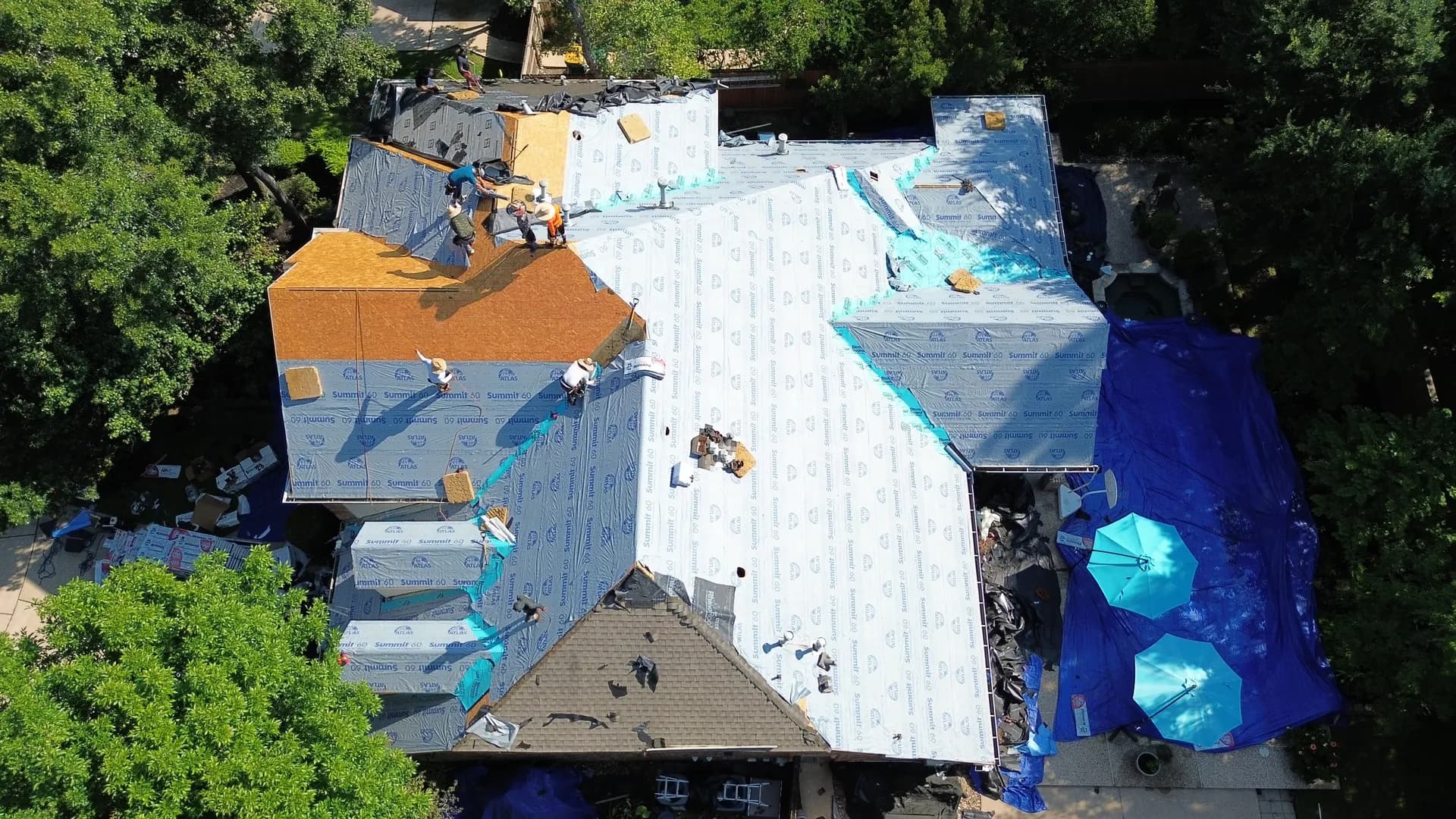
If your roof is asphalt and pushing past the fifteen to twenty five year mark, or any material is showing the wear signs above, it's worth having someone take a closer look before the next Texas summer adds more stress. Our roof replacement team can evaluate what you have now, walk through material options built for sustained heat, and help you plan a timeline that works. Reach out to schedule an inspection and get a straight answer on where your roof actually stands.
Seth WeHunt
Owner, ROYH Build Co
Get Your Roofing Quote
Serving The Woodlands, Magnolia, and greater Houston, ROYH Build Co offers free inspections and straightforward estimates.